
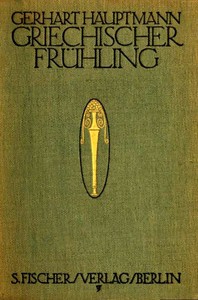
Griechischer Frühling by Gerhart Hauptmann
Gerhart Hauptmann's Griechischer Frühling is a travel diary, but it reads like a novel of ideas wearing a sun hat. Published in 1908, it follows Hauptmann's own journey through Greece, but he frames it through the eyes of a narrator searching for the soul of the ancient world.
The Story
The narrator, a German artist and thinker, lands in Greece with a head full of Homer and a heart ready for epic beauty. He visits the classic sites—the Acropolis in Athens, the ruins of Mycenae, the Oracle at Delphi. He's awestruck, just as he hoped to be. But the book's magic happens in the spaces between these monuments. He gets just as caught up in the chatter of his travel companions, the dust of modern streets, the political gossip in cafes, and the striking contrast between the timeless perfection of the ruins and the lively, sometimes chaotic reality of the Greek people living around them. The plot is the journey itself, a gentle drift from one place and one revealing encounter to the next.
Why You Should Read It
I loved this book because it's so honest about the travel experience. It captures that specific melancholy of the romantic traveler—the slight disappointment that the past isn't more alive, mixed with the joy of finding life in unexpected places. Hauptmann doesn't just describe temples; he describes the heat, the taste of food, the faces of locals, and his own fluctuating moods. His prose is vivid and sensory. You feel the Mediterranean sun and the cool shade of the ruins. The central theme is powerful: our struggle to reconcile the idealized versions of history and culture we carry in our minds with the imperfect, living world we actually encounter. The narrator is both insightful and a bit funny in his stubbornness, which makes him very human.
Final Verdict
This is a perfect read for thoughtful travelers, history lovers who enjoy a personal perspective, and anyone who likes classic literature that feels surprisingly modern and intimate. If you enjoy books like Elizabeth Gilbert's Eat, Pray, Love for their journey of self-discovery but prefer more philosophical depth and historical texture, you'll find a kindred spirit here. It's a short, reflective, and beautifully written escape that stays with you, reminding you that the most important discoveries on any trip are often the ones you make about yourself.
This digital edition is based on a public domain text. You can copy, modify, and distribute it freely.
Kenneth Wright
2 months agoSurprisingly enough, it creates a vivid world that you simply do not want to leave. Highly recommended.
Thomas Clark
4 months agoIf you enjoy this genre, the depth of research presented here is truly commendable. Thanks for sharing this review.
Amanda Davis
11 months agoHaving read this twice, the depth of research presented here is truly commendable. Absolutely essential reading.
Elizabeth Gonzalez
6 months agoAfter hearing about this author multiple times, the clarity of the writing makes this accessible. A true masterpiece.






Linda Brown
2 years agoUsed this for my thesis, incredibly useful.