
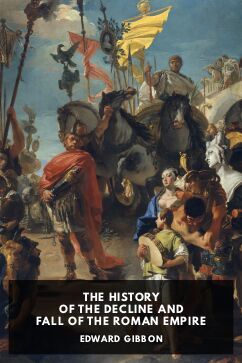
The History of the Decline and Fall of the Roman Empire - Edward Gibbon
Okay, let's be clear: this isn't a novel. There's no single plot with a hero and a villain. The 'story' Gibbon tells is the story of collapse itself. He starts around 180 AD, when the Roman Empire was at its peak, and follows it for over twelve centuries until its final flicker in Constantinople in 1453. He guides you through the parade of emperors (the good, the bad, and the truly unhinged), the endless civil wars, the pressure from groups like the Goths and Vandals, and the empire's slow split into East and West.
The Story
Think of it as a grand, tragic narrative. The first half focuses on the Western Empire's disintegration. Gibbon shows how internal rot—political corruption, economic trouble, a loss of civic spirit—weakened Rome from within, making it vulnerable to outside forces. The famous 'fall' in 476 AD is just one event in a much longer process. The story then shifts to the Byzantine (Eastern) Empire, which clung on for another thousand years, facing different challenges until it too finally fell to the Ottoman Turks.
Why You Should Read It
You should read it because Gibbon has a point of view. He's not a neutral robot reciting facts. He has opinions about everything, from religion to military strategy, and he writes with wit and elegance. His explanation that the rise of Christianity sapped the old Roman martial spirit is famously controversial and sparks debate to this day. Reading him feels like having a brilliant, slightly opinionated professor explain the biggest 'what happened' in Western history. You get swept up in his arguments and start seeing patterns—how empires overextend, how institutions decay—that feel relevant long after you put the book down.
Final Verdict
This is for the patient reader who loves big ideas. It's perfect for history fans ready to move beyond documentaries into the primary source of so much modern thought about Rome. It's also great for anyone interested in politics, philosophy, or why great nations rise and fall. It's not a quick, easy read—it's a commitment. But if you give it time, you're getting one of the most influential history books ever written, a masterpiece that will make you think deeply about power, civilization, and time itself.
This is a copyright-free edition. It serves as a testament to our shared literary heritage.
Anthony Gonzalez
2 years agoI have to admit, it provides a comprehensive overview perfect for everyone. One of the best books I've read this year.
Noah Clark
1 year agoThanks for the recommendation.
Elijah Jackson
1 year agoRead this on my tablet, looks great.
Patricia Miller
2 years agoSurprisingly enough, the emotional weight of the story is balanced perfectly. Definitely a 5-star read.

Melissa Thompson
1 year agoGreat reference material for my coursework.